
Modern Slavery in Berwick Victoria Exposed by Shocking Slavery Trial
Modern slavery isn’t something that happens in some far-off country. It’s happening right now in suburbs like Berwick and Point Cook, where a 2026 trial exposed a 61-year-old woman forced to sleep on stairs, eat leftovers, and endure brutal beatings. Between January and October 2022, she was held as a slave in a Melbourne home, allegedly beaten with a vacuum cleaner when she fell asleep while massaging her captor’s feet. The case has shaken the City of Casey and forced everyone—from local traders to families at the Berwick Easter Fair—to confront an ugly truth: slavery thrives in plain sight.
So what’s really happening in Berwick’s backyard? A national migrant worker protection scheme uncovered stolen wages, visa threats, and forced labour cases across Victoria, recovering $236,000 for exploited workers in just one year. Yet police statistics show Berwick recorded 6,587 criminal offences in 2025—a 11.1% increase from 2024. Assaults rose 4.3%, burglaries jumped 35%. And somewhere among those numbers, a vulnerable woman with no visa, no money, and no voice was being crushed.
What exactly is modern slavery and how is it defined under Australian law?

Modern slavery is a legal term that covers slavery, servitude, forced labour, forced marriage, debt bondage, and human trafficking. Under Divisions 270 and 271 of the Criminal Code (Cth), these offences carry serious penalties—up to 25 years for possessing a slave.
Australia’s Modern Slavery Act 2018 requires large companies to report on slavery risks in their supply chains. But here’s the uncomfortable bit: after eight years, transparency alone hasn’t fixed the problem. The Australian Anti-Slavery Commissioner admitted in 2026 that “reporting is mandatory but taking action is not.” So we have laws on paper, but enforcement? Still catching up. Walk Free estimates around 41,000 people live in modern slavery in Australia—more than double the figure from just four years ago. Forced marriage is the most common form, followed by sexual exploitation and forced labour.
Is modern slavery really happening in Berwick and the City of Casey?
Yes—and the evidence is chilling. While the high-profile 2026 slavery trial unfolded in Point Cook, just 20 minutes from Berwick’s main street, the entire City of Casey now faces a reckoning. The couple charged—Chee Kit “Max” Chong and Angie Liaw—allegedly kept an Indonesian woman in their home, forcing her to work 14-hour days without pay, sleep on stairs or in a garage, and endure regular beatings. She was told she owed debts, threatened with deportation, and once offered her freedom for $1 million. Both have pleaded not guilty, but prosecutors say the woman’s unlawful immigration status made her “especially vulnerable.”
Here’s what that means for Berwick families: if it can happen in Point Cook, it can happen here. Berwick’s population hit around 50,300 in 2026, with a median house value approaching $1 million. It’s a comfortable, growing suburb with tree-lined streets and good schools. But comfort can blind you. Between 2023 and 2024, Berwick’s crime rate jumped 15.9%. Property theft rose 18.7%, burglaries surged 35%. And these aren’t just car break-ins—they’re indicators of social stress that can enable exploitation.
Victorian MPs were told in early 2025 that modern slavery is “almost certainly happening in every electorate.” That includes Berwick’s electorate. The Catholic organisation ACRATH warned politicians that forced marriage, migrant worker exploitation, and slavery in supply chains are present right now in your neighbourhood. So next time you walk past that café on High Street, remember: exploitation doesn’t look like chains. It looks like a woman who can’t leave the house without permission.
What are the warning signs of modern slavery in a suburban home?
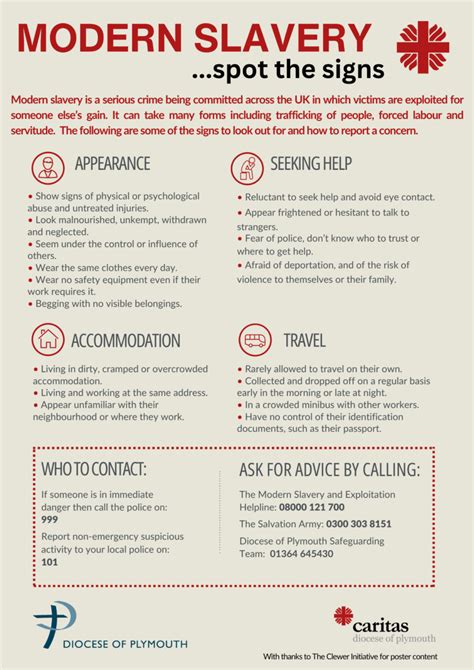
Most people think slavery involves physical restraints—chains, locked doors, visible guards. Wrong. Modern slavery hides behind ordinary doors. The Point Cook victim was locked in a garage during the day, not a dungeon. She was denied food, sleep, medical care. Her ID was confiscated. She wasn’t allowed to eat with the family. These are the real signs: isolation, control of documents, threats of deportation, unpaid labour that never ends, sleeping in hallways or garages.
Ask yourself: Have you seen a neighbour who never leaves the property without a family member? Someone who appears malnourished or injured but doesn’t seek help? A person who seems terrified of their employer or “host”? According to the Australian Federal Police, red flags include restricted movement, poor living conditions, inability to speak freely, and visible signs of physical abuse. The victim in the Point Cook case had blood streaming down her face after being beaten for being a “bad worker.” She was too scared to report it—she didn’t want her captors “to get in trouble.”
The Salvation Army runs Australia’s only dedicated safe house for trafficking survivors. But most cases never get reported. The national migrant worker scheme found $236,000 recovered for exploited workers in Victoria, but that’s just the tip. So trust your gut. If something feels off, it probably is.
How many victims of modern slavery are there in Victoria, and why are the numbers rising?

Victoria’s numbers are climbing—and fast. The Australian Federal Police recorded 294 reports of human trafficking and modern slavery in 2022-23 alone. Nationwide, Walk Free estimates 41,000 people are living in slavery conditions, more than double the figure from 2018. Forced marriage now tops the list of reported cases, followed by sexual exploitation and forced labour. In Victoria, the state government’s inquiry into labour hire uncovered systematic exploitation of migrant workers—backpackers, international students, undocumented workers—who fear speaking out because their visas hang by a thread.
Why the rise? Not because slavery is increasing, necessarily, but because awareness is improving. More victims are finding the courage—or the opportunity—to escape. The national migrant worker protection scheme, though now at risk of budget cuts, identified $1.35 million in potential unpaid wage claims in NSW alone. In Victoria, it recovered $236,000. These schemes work. The problem? They’re underfunded and understaffed. The Modern Slavery Act is under review in 2026, with the Anti-Slavery Commissioner pushing for mandatory due diligence—requiring businesses to actually act, not just report. Because transparency without action is just corporate theatre.
Who are the perpetrators and why do they get away with it for so long?

Perpetrators often look like anyone else. The Point Cook couple attended church. They had children. They presented as a normal family until the day the victim fled to a police station, scared and starving. Chong allegedly danced and flashed a peace sign outside court, granted another adjournment. That casual arrogance? It’s common. Many offenders rely on victims’ fear, immigration status, and isolation to maintain control. They use threats of deportation, fabricated debts, and psychological manipulation—tools more effective than any lock and chain.
So why do they get away with it? Underreporting. Victims often don’t trust police, don’t know their rights, or fear retaliation. The legal process is slow—the Point Cook case took from October 2022 to March 2026 just to reach trial. And when funding for victim support programs gets slashed, perpetrators exploit the gaps. The national migrant worker scheme is at risk of being cut in the May 2026 budget. If that happens, expect numbers to drop—not because slavery disappeared, but because nobody’s counting anymore.
How can you report suspected modern slavery in Berwick or anywhere in Victoria?

If you see something, say something. Call the Australian Federal Police on 131 AFP (131 237) or make an online report through their human trafficking form. In an emergency—someone’s life at risk—call Triple Zero (000) immediately. You can also report anonymously via Crime Stoppers on 1800 333 000. The Salvation Army’s Trafficking and Slavery Safe House provides supported accommodation for survivors, and the Australian Red Cross offers case management and legal assistance.
But here’s the catch: reporting only works if victims trust the system. Many don’t. The woman in Point Cook was hesitant to speak to police—”She was very hesitant, in that she did not want the people she was living with to get in trouble.” That’s trauma talking. So when you report, advocate for follow-through. Support organisations like ACRATH and Be Slavery Free work on the ground, training communities to spot the signs. The 1800 FREEDOM hotline offers confidential assistance. But the best tool? Awareness. Talk to your neighbours. Ask questions. Don’t normalise the abnormal.
Why do Berwick’s community events and rising house prices mask a darker story?

Let me be blunt: Berwick looks lovely. Population 50,300, median house price $998,877, families pushing prams along High Street. The Berwick Easter Fair ran from 3–6 April 2026 at Akoonah Park—rides, showbags, camel rides, all raising money for the Royal Children’s Hospital. Wilson Botanic Park hosts storytime sessions and nature walks. The Berwick Music Festival is on the calendar. Devolution bar runs music bingo. And yet…
Just a few suburbs west, a woman was locked in a garage. Just down the road, 6,587 crimes were recorded in Berwick in 2025—up 15.9% in two years. Assault reports rose 4.3%. Burglaries jumped 35%. Retail theft increased 40%. These aren’t abstract numbers. They’re the cracks where exploitation hides.
What’s the connection? Affluence and growth create demand for cheap labour—cleaners, nannies, farm workers, hospitality staff. Migrant workers fill those roles. Some are exploited because they have no voice, no visa security, no rights. And the community that benefits often doesn’t see the cost. So next time you enjoy a flat white at La Baguette on High Street—where traders recently gathered to discuss rising crime—remember that comfort can be complicity. The Berwick community forum on trader safety in April 2026 showed residents are worried. But worried about stolen cars, not stolen lives. We need to expand our definition of safety.
The Point Cook trial continues. The victim died in 2024, but her police evidence will be presented. Chong and Liaw face up to 25 years if convicted. But convictions aren’t victories. They’re clean-up operations. Real change requires uncomfortable conversations—at schools, at churches, at the Berwick Farmers Market, at the pub. Because slavery isn’t historical. It’s here. It’s now. And pretending it isn’t? That’s how it survives.